Maintenance Notice

Due to necessary scheduled maintenance, the JMIR Publications website will be unavailable from Wednesday, July 01, 2020 at 8:00 PM to 10:00 PM EST. We apologize in advance for any inconvenience this may cause you.

Who will be affected?

Journal Description

JMIR Research Protocols  (JRP, ISSN 1929-0748) is a unique journal indexed in PubMed, PubMed Central (PMC), MEDLINE, Sherpa Romeo, DOAJ, Scopus, Web of Science(WoS)/ESCI, and EBSCO, publishing peer-reviewed, openly accessible research ideas and grant proposals, and study and trial protocols (also referred to as Registered Report Stage 1 papers). 

JMIR Research Protocols received a Journal Impact Factor of 1.5 according to the latest release of the Journal Citation Reports from Clarivate, 2025.

With a CiteScore of 2.4 (2024), JMIR Research Protocols is a Q2 journal in the field of General Medicine, according to Scopus data.

It should be stressed however that most authors do not publish their protocols for "impact" or citations, rather to document their ideas to how to design experiments, to document their successful grant proposals, or to publish (and maybe brag a little about) their already funded protocols (which do not require additional peer-review). We offer this platform for scientists to publish peer-reviewed protocols for a very low APF, and unfunded protocols for a reasonable fee that includes peer-review. 

While the original focus was on eHealth studies, JRP now publishes protocols and grant proposals in all areas of medicine, and their peer-review reports, if available (preliminary results from pilot studies, early results, and formative research should now be published in JMIR Formative Research).

JRP is fully open access, with full-text articles deposited in PubMed Central.

Why should I publish my protocol? 

  • JRP publishes research protocols, grant proposals, pilot/feasibility studies and early reports of ongoing and planned work that encourages collaboration and early feedback, and reduces duplication of effort.
  • JRP will be a valuable educational resource for researchers who want to learn about current research methodologies and how to write a winning grant proposal.
  • JRP creates an early scientific record for researchers who have developed novel methodologies, software, innovations or elaborate protocols.
  • JRP provides a "dry-run" for peer-review of the final results paper, and allows feedback/critique of the methods, often while they still can be fixed.
  • JRP enhances rigor and demonstrates to reviewers of subsequent results papers that authors followed and adhered to carefully developed and described a-priori methods, rather than fishing for P-values (HARKing).
  • JRP facilitates and guarantees subsequent publication of results demonstrating that the methodology has already been reviewed, and reduces the effort of writing up the results, as the protocol can be easily referenced.
  • JRP is compatible with the concept of "Registered Reports" and since May 2018, published protocols receive an International Registered Report Identifier (What is a Registered Report Identifier?) and acceptance of the subsequent results paper is "in principle" guaranteed in any JMIR journal and partner journals - see What is a Registered Report?. We assign an IRRID (International Registered Report Identifier) to each published protocol, faciliating the linking between protocol and final study, and also indicating that results papers of studies are also "in principle accepted" for subsequent publication in other JMIR journals (or other members of the IRRID Registry Network) as long as authors adhere to their original protocol - regardless of study results (even if they are negative), reducing publication bias in medicine.
  • Authors publishing their protocols in JRP will receive a 20% discount on the article processing fee if they publish their results in another journal of the JMIR journal family (for example, JMIR for e-health studies, i-JMR for others).

Need more reasons? Read the Knowledge Base article on "Why should I publish my protocol/grant proposal"!


Recent Articles:

  • Source: Magnific; Copyright: gpointstudio; URL: https://www.magnific.com/free-photo/this-mail-is-so-nice_10685721.htm#fromView=search&page=1&position=0&uuid=eef7890e-7012-4ff7-be09-cc23116dd517&query=caregiver+on+laptop; License: Licensed by JMIR.

    Evolution of Chatbots as an Educational and Supportive Digital Intervention for Family Caregivers of People With Dementia: Protocol for a Systematic...

    Abstract:

    Background: Most people with dementia reside in the community and are cared for by family members. Family caregivers play an essential role in supporting their loved ones with dementia and require adequate education and support to address their care needs. In recent years, there has been growing interest in the use of chatbot technologies in health care, particularly to provide education and support for caregivers. However, evidence on the development, use, and effectiveness of these technologies in dementia care remains limited. Objective: This systematic integrative review aims to synthesize evidence on chatbot applications as an educational and supportive tool for family caregivers of people with dementia. Methods: A systematic integrative literature review will be conducted following a validated framework. The findings will be reported in accordance with PRISMA (Preferred Reporting Items for Systematic Reviews and Meta-Analyses) guidelines. The search strategy will be structured around 3 broad concepts: “dementia,” “caregiver,” and “chatbot applications.” Full-text articles based on empirical studies published in English from inception to 2026 that address the design, development, or evaluation of chatbot applications for family caregivers of people with dementia will be included. Editorials, study protocols, review articles, opinion and perspective papers, technical notes, and non-English publications will be excluded. Covidence software will be used to manage study screening. At least 2 independent reviewers will screen titles, abstracts, and full texts and extract data using a pretested data extraction form. Methodological quality will be assessed using Mixed Methods Appraisal Tool (version 2018), and data relevance will be evaluated using a 2-point scale (high or low). Results: The literature search will commence in May 2026, and the findings are expected to be published as a systematic integrative review, with submission planned for January 2027. Conclusions: This systematic integrative review aims to synthesize evidence from qualitative, quantitative, and mixed methods studies to provide a comprehensive understanding of how chatbot interventions are conceptualized, developed, and evaluated within dementia caregiving contexts. In addition, this review will identify key barriers and challenges as well as ethical and safety concerns associated with the design, development, and implementation of chatbot applications for family caregivers of people with dementia. Trial Registration: PROSPERO CRD420261288076; https://www.crd.york.ac.uk/PROSPERO/view/CRD420261288076

  • Source: Freepik; Copyright: Freepik; URL: https://www.freepik.com/free-photo/close-up-woman-experiencing-acupuncture_12066715.htm; License: Licensed by JMIR.

    Efficacy and Safety of Electroacupuncture for Postoperative Insomnia in Patients With Spinal Metastasis: Protocol of a Prospective, Multicenter, Randomized...

    Abstract:

    Background: Postoperative insomnia is one of the common complaints caused by spinal metastatic cancer surgery. It affects patients’ functional recovery, greatly reduces their quality of life, and adversely impacts disease prognosis. Compared with traditional pharmacological treatments, acupuncture is an alternative therapy for postoperative insomnia. However, standardized, high-quality randomized controlled trials on electroacupuncture for postoperative insomnia in patients with spinal metastasis (SM) are scarce, and there is a lack of clear inclusion criteria for this specific population. Postoperative insomnia in patients with SM has distinct clinical characteristics compared with general cancer-related insomnia, necessitating targeted investigation. Objective: This study aims to evaluate the efficacy and safety of electroacupuncture in the treatment of postoperative insomnia in patients with SM, and to provide high-level clinical evidence for the inclusion of electroacupuncture in the clinical management plan of postoperative insomnia in patients with SM. Methods: This is a study protocol for a randomized controlled trial. We will randomly assign 196 patients with insomnia after spinal metastatic cancer surgery to the acupuncture group (n=98) or the control group (sham acupuncture group; n=98). All participants will be treated on the first day after surgery and receive 12 sessions in total (30 min per session, 3 sessions per wk for 4 weeks). The primary outcome is the change in Pittsburgh Sleep Quality Index score from baseline to post treatment (wk 4). The secondary outcomes include actigraphy records (sleep efficiency, number of sleep awakenings, total sleep time, sleep latency, and wake after sleep onset), Insomnia Severity Index, Spine Oncology Study Group Outcomes Questionnaire 2.0, and Patient Health Questionnaire-9. All results will adhere to the intention-to-treat principle and will be evaluated at baseline, posttreatment (wk 4), and follow-up (wk 12). Results: This study was funded in June 2023 (supported by the Project of Shanghai Municipal Health Commission, National Natural Science Foundation of China, etc). Recruitment will start in mid-2026 and end in December 2027. Data collection will be completed in October 2027, and data analysis is expected to be finished in December 2027. The results of this study are anticipated to be published in the first half of 2028. Conclusions: This study is designed to rigorously assess the therapeutic value of electroacupuncture for postoperative insomnia in patients with SM. If proven effective, electroacupuncture is expected to become a safe and feasible alternative or complementary therapy for this population, reducing reliance on hypnotic drugs and improving patients’ quality of life and prognosis. The results will fill the gap in current clinical evidence for electroacupuncture in the treatment of spinal metastatic postoperative insomnia and provide a basis for the optimization of clinical treatment strategies. Trial Registration: International Traditional Medicine Clinical Trial Registry ITMCTR2025000930; https://itmctr.ccebtcm.org.cn/mgt/project/view/3490899198481888581 International Registered Report Identifier (IRRID): PRR1-10.2196/81489

  • Source: freepik; Copyright: jcomp; URL: https://www.freepik.com/free-photo/cannabis-recipe-personal-use-legal-light-drugs-prescribe-alternative-remedy-medication-medicine-concept_5475019.htm; License: Licensed by JMIR.

    Cannabis Effects on Neurocognition and HIV-Related Outcomes: Protocol for a Longitudinal Observational Cohort Study

    Abstract:

    Background: Heavy cannabis use may impact neurocognitive functions, particularly prefrontal and limbic systems responsible for risk/reward processing and executive function, which are essential for certain health behaviors, such as HIV prevention. Rigorous research into the effects of cannabis on neurocognitive functions remains limited, particularly among populations with a high burden of HIV. Objective: This study aims to (1) evaluate associations between cannabis use and neurocognition, (2) evaluate associations between cannabis use and engagement in HIV status–neutral care outcomes (eg, pre-exposure prophylaxis persistence, viral suppression), and (3) assess whether cannabis use motivations modify associations between cannabis use and engagement in HIV status–neutral care outcomes. Methods: This longitudinal cohort study is enrolling a community-based sample of individuals aged 16 to 29 years residing in Chicago using multiple recruitment strategies. Participants complete 3 in-person assessments annually over 2 years that include (1) computer-assisted questionnaires, (2) neurocognitive assessments (functional magnetic resonance imaging, executive function tasks), and (3) biospecimen collection. Triangulation approaches combine objective and self-reported measures. Results: The Frontal Lobe Outcomes and Well-Being (FLOW) Study was funded by the National Institutes of Health in April 2023, with data collection commencing in October 2023. As of April 2026, 148 participants have been enrolled and completed baseline assessments, with 63 participants completing their first follow-up appointment and 4 participants completing their second follow-up appointment. Following a temporary administrative pause from March to August 2025 and subsequent federal review confirming regulatory compliance, the study resumed operations in July 2025. Recruitment is currently ongoing, with data collection expected to continue through June 2027. Preliminary analyses are pending completion of longitudinal data collection. Conclusions: This study addresses critical knowledge gaps by examining potential associations between cannabis use, neurocognition, and HIV. While geographic specificity, structural barriers, measurement challenges, and sample size constraints present some limitations, our methodological approaches—including longitudinal design, triangulation of both objective and self-reported measures, and rigorous neurocognitive assessments—strengthen the investigation. Findings will advance understanding of how cannabis use impacts neurocognition and HIV-related health behaviors, potentially informing targeted interventions that address both substance use and HIV transmission.

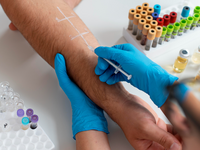
  • Source: Magnific; Copyright: freepik; URL: https://www.magnific.com/free-photo/skin-allergy-reaction-test-arm_19672636.htm; License: Licensed by JMIR.

    Lymphovenous Bypass as an Adjunct to Standard Care for Diabetic Peripheral Neuropathy: Protocol for a Randomized Assessor-Blinded Superiority Trial

    Abstract:

    Background: Diabetic peripheral neuropathy (DPN) is a length-dependent, symmetric sensorimotor polyneuropathy with a substantial global and regional burden. Current pharmacologic options are largely symptomatic and do not modify the disease. Lymphovenous bypass (LVB), a supermicrosurgical procedure established for lymphedema, may modulate lymphatic-immune-microvascular dysfunction relevant to DPN. Objective: The primary objective is to determine whether LVB combined with standard of care (SOC) improves small-fiber and autonomic function compared with SOC alone at 6 months. Secondary objectives are to evaluate the effects of LVB on large-fiber function, neuropathic pain, ulcer healing, quality of life, and relevant biomarkers, as well as to characterize the safety profile of LVB. Methods: This is a SPIRIT (Standard Protocol Items: Recommendations for Interventional Trials)–aligned, single-center, randomized, controlled, parallel-group superiority trial with a 2:1 allocation (LVB+SOC vs SOC alone). Randomization is stratified based on the presence or absence of active diabetic foot ulcers, as defined by the International Working Group on the Diabetic Foot and Infectious Diseases Society of America criteria. In total, 60 adults aged 20 to 80 years with confirmed DPN will be enrolled. LVB involves lymphatic-venous anastomosis to venules ≤0.8 mm. SOC consists of guideline-based glycemic and risk-factor management, pain control, and standardized wound care. Outcome assessors and statisticians are blinded. The primary outcomes are changes in clinical neuropathy burden and pain severity at 6 and 12 months. Secondary outcomes comprise objective measures of somatic and autonomic physiology, histopathological nerve fiber density, biological serum markers, and longitudinal ulcer epithelialization parameters. Data analysis will use mixed-effects models for repeated measures, with a sample size of 60 adults providing 80% power to detect a conservative between-group effect size of Cohen =0.70. Results: Recruitment commenced in February 2026 and is planned to continue through July 31, 2027, with follow-up through July 31, 2028. As of May 2026, we have enrolled 3 participants. The first participant has been treated, and a second participant is scheduled to undergo treatment. Data analysis and reporting are anticipated between late 2027 and early 2028. No outcome data are included. Conclusions: This trial tests a mechanism-based, nonpharmacologic adjunct targeting lymphatic-immune-microvascular dysfunction in DPN. If effective, LVB could inform phenotype-directed treatment algorithms and motivate multicenter evaluation and health economic analyses. Trial Registration: ClinicalTrials.gov NCT07126197; https://clinicaltrials.gov/study/NCT07126197 International Registered Report Identifier (IRRID): PRR1-10.2196/84826

  • Source: The Authors; Copyright: The Authors; URL: https://www.researchprotocols.org/2026/1/e92071; License: Creative Commons Attribution (CC-BY).

    Using Collaborative Model Building to Better Understand the Mechanisms of Alcohol-Involved Sexual Violence on College Campuses: Post Hoc Protocol

    Abstract:

    Background: The Collaborative Model Building Project to Understand Sexual Violence (CAMPUS) study seeks to address alcohol-involved sexual violence (AISV) by collaboratively developing an agent-based model (ABM) that can support the decisions of college campuses seeking to address this issue among students. As a first step toward ABM development, we used collaborative model building (CMB), an adaptation of group model building, to co-develop a causal loop diagram (CLD) depicting key causes and effects of AISV and opportunities for intervention. Our goal of cocreating a CLD that can be translated into an ABM to support intervention decision-making differentiates our approach from other participatory systems science studies. Objective: This paper provides a detailed, transferable post hoc protocol for using CMB to cocreate a CLD of AISV on college campuses that can be translated into an ABM to support intervention decision-making. Methods: Our approach consisted of 4 iterative phases that involved ongoing weekly discussion by the project’s core modeling team (CMT), consisting of researchers with systems science and subject matter expertise. In the first phase, we conducted 4 CMB sessions with 3 groups of college campus collaborators to develop 1 preliminary CLD each. Second, our CMT reviewed each variable and causal connection across the CLDs in consultation with peer-reviewed literature to help ensure eventual ABM translation. Third, the CMT combined 3 CLDs into one, identifying specific loops for review by collaborators. Fourth, we conducted a feedback session with collaborators and created a finalized CLD linked with intervention opportunities. Results: Between January 2023 and March 2025, we engaged with 39 collaborators in Allegheny County, Pennsylvania, across three groups: (1) college campus practitioners (eg, student life staff; n=8), (2) undergraduate students (n=12), and (3) a mix of practitioners and students (n=19). The final output of our process was a complete CLD with 26 loops containing 28 variables showing key AISV mechanisms and intervention opportunities. Analysis of results from the CAMPUS study, funded from September 2022 to June 2027, is ongoing, and results from aim 1 of the study are expected to be published in late 2026. Conclusions: Given our goal of using the finalized CLD for ABM development, our approach emphasized the selection of potentially measurable and modifiable variables and causal connections. Compared with other participatory systems science approaches, our approach also emphasized intervention identification and prioritization. International Registered Report Identifier (IRRID): RR1-10.2196/92071

  • Mobile screen showing a user exploring a mental health mobile application. Created by authors using paid subscription of Canva.com and free elements in the professional subscription pool resources on the platform. Source: Authors/Canva; Copyright: Authors/Canva; URL: https://researchprotocols.org/2026/1/e85267; License: Creative Commons Attribution (CC-BY).

    Minimally Guided App-Based Intervention for Nontreatment-Seeking Psychologically Distressed Adults: Protocol for a Randomized Controlled Trial

    Abstract:

    Background: Mental health conditions impose a significant burden worldwide, often remaining untreated due to multiple demand- and supply-side barriers such as stigma, limited awareness, and poor access to services. Mobile-based interventions offer a scalable solution to address some of these barriers, including low rates of help-seeking. However, most evidence has emerged from high-income countries, with minimal research in the Indian setting, particularly among psychologically distressed individuals not currently seeking treatment. Objective: This study aims to evaluate the effectiveness of a minimally guided mobile app in promoting help-seeking behaviors among individuals experiencing self-reported common mental health concerns and significant psychological distress who are not currently engaged in formal treatment. Additionally, it will examine the utility of the intervention in reducing perceived barriers to seeking professional help for mental health, improving the inclination to seek help from mental health professionals, and alleviating psychological distress. Perceived benefits of using the app will also be documented. Methods: A parallel-arm randomized controlled trial will be used to evaluate the effectiveness of the minimally guided, indigenously developed mobile app in enhancing help-seeking behaviors among distressed, nontreatment-seeking adults. The intervention arm will receive a multimodule app while the active control will receive a mood-logging app. Assessments will occur at baseline, 5 weeks after the intervention, and at the 1-month follow-up using standardized self-report tools and additional items. The primary outcome will be actual help-seeking behavior in accessing mental health professionals, while secondary outcomes will include help-seeking inclination, perceived barriers, psychological distress, and perceived benefits. Results: The trial commenced in September 2025 and is currently in the recruitment and data collection phase. Participant enrollment is ongoing. Data collection is anticipated to be completed by July 2026, and findings from the study are expected to be disseminated through a peer-reviewed publication by December 2026. Conclusions: This study will provide contextually relevant insights into the utility of a minimally guided mobile app-based intervention in improving professional help-seeking among psychologically distressed, nontreatment-seeking individuals in India. Findings may inform the design and scaling of accessible digital interventions to bridge the mental health treatment gap in low-resource settings. Clinical Trial: Clinical Trial Registry of India CTRI/2024/11/077461; https://tinyurl.com/2edf5a32

  • Source: Magnific; Copyright: Freepik; URL: https://www.magnific.com/free-photo/kids-getting-back-school-together_29014556.htm; License: Licensed by JMIR.

    Evaluating the Effectiveness of the School-Based Sustainable Innovation for Children Transporting Actively Intervention: Protocol for an Age-Cohort Study

    Abstract:

    Background: Few children achieve the recommended daily levels of physical activity. Active school transportation (AST) offers a valuable opportunity to increase children’s physical activity. Initiatives promoting AST in early childhood are important and have the potential to reverse the decline in physical activity. Objective: This study protocol outlines an age-cohort design to evaluate the effectiveness of the Sustainable Innovation for Children Transporting Actively (SICTA) intervention on children’s AST. Methods: SICTA is a 4-week school-based intervention that incorporates gamification elements to enhance motivation and aims to increase AST in children. The intervention involves children and their parents as gatekeepers, as well as teachers delivering the intervention. All children, parents, and teachers in all schools, from grades 4 to 6 in one municipality in the southern part of Sweden, will be invited to participate in the evaluation. Following the age-cohort design, students at baseline (late fall 2024) will be compared with students of the same age from the same schools 1 year later at follow-up (late fall 2025) after receiving the intervention (implemented in late fall 2025). Using questionnaires at baseline and follow-up, this study will examine the effects of the intervention on children’s levels of AST. Children’s independent mobility and several mediators related to AST in both children and parents, based on the theory of planned behavior, the transtheoretical model of change, and self-determination theory, will also be examined. The intervention will also be evaluated from a sustainable perspective using the sustainable value equation. At follow-up, data collection will include a questionnaire for teachers assessing the feasibility of the intervention. Results: The project is funded for the period 2024-2026, and follow-up data collection is ongoing following completion of the intervention in late fall 2025. Results will be reported according to the predefined outcomes, including changes in AST, children’s independent mobility, psychosocial determinants among children and parents, and sustainability outcomes, as well as feasibility. Conclusions: The findings are expected to provide valuable insights into the effectiveness of the SICTA intervention, facilitating knowledge dissemination among end users and policymakers. Trial Registration: Swedish National Research Database Researchweb.org 283668; https://tinyurl.com/496rc6r4

  • Source: Magnific; Copyright: freepik; URL: https://www.magnific.com/free-photo/kids-playing-together-comfortable-home_33757573.htm; License: Licensed by JMIR.

    Screen-Free Time With Friends to Promote Face-to-Face Peer Interaction and Reduce Recreational Screen Use Among Children Aged 9-11 Years: Protocol for a...

    Abstract:

    Background: Children’s leisure time has changed in recent decades—with more time spent on screen media and less time face-to-face with peers—potentially affecting their physical and mental well-being. Objective: This protocol outlines a cluster randomized controlled trial evaluating the Screen-Free Time With Friends intervention, which aims to promote face-to-face peer interaction and reduce recreational screen media use among children aged 9‐11 years. Methods: The study is conducted as a cluster randomized controlled trial involving 9-11-year-old children and their parents from 18 schools in Denmark. Schools are randomized (1:1) to either a control or an intervention group. The intervention includes five core components: (1) curricular activities, (2) two family meetings, (3) a brief parent exercise, (4) a development program for after-school clubs, and (5) two community workshops. It is designed to allow local adaptation while maintaining fidelity to the core components. Primary and key secondary outcomes, including face-to-face peer interaction across leisure domains and solitary screen time, are assessed at baseline, 6‐10 months, and 13‐15 months follow-up. Additional exploratory outcomes (e.g., leisure activities, social relations, and well-being) are measured at baseline and follow-up. Time spent in face-to-face interactions with peers was assessed using a short SMS-based questionnaire sent to registered parents. The instrument has not been formally validated but was tested in a feasibility study. A comprehensive process evaluation explores implementation, context, and mechanisms of change. Results: The project was funded in July 2020. Schools were recruited from July 2023 to January 2024, while children and parents were recruited from November 2023 to April 2024. At baseline, 685 children were enrolled at the participating schools, with 343 (50%) having at least one parent enrolled in the questionnaire. The primary outcome is therefore assessed among a subset of participants, which may affect the effective sample size. Baseline data were collected from December 2023 to June 2024, and follow-up data from March to August 2025. As of March 2026, data analysis has not yet commenced, and no study results are currently available. Findings are expected to be published by the end of 2026. Conclusions: Regardless of the findings, this study will generate important knowledge about the intervention’s potential effectiveness, complemented by insights into its implementation, context, and mechanisms of change. These insights can assist municipalities, schools, after-school clubs, community stakeholders, and parents in shaping everyday environments that foster children’s face-to-face interaction and encourage balanced screen use. The findings may inform policy decisions, guide the development of new national and local initiatives, and inspire future research into feasible, real-world interventions that support meaningful and enriching leisure experiences for children. Trial Registration: ClinicalTrials.gov NCT06163495; https://clinicaltrials.gov/study/NCT06163495 International Registered Report Identifier (IRRID): DERR1-10.2196/84831

  • Source: Qingshe Zang; Copyright: Qingshe Zang; URL: https://researchprotocols.jmir.org/2026/1/e89584/; License: Licensed by the authors.

    A Novel Therapy With a One-Month Ultrashort Regimen to Halt Progression From Latent Infection to Active Tuberculosis Among Close Contacts (The TB‑YOUTH...

    Abstract:

    Background: Close contacts of individuals with active pulmonary tuberculosis (TB) face an elevated risk of TB acquisition, necessitating systematic screening for latent TB infection and subsequent TB preventive treatment (TPT). Major TPT regimens require ≥3 months of drug exposure and demonstrate suboptimal safety profiles, significantly compromising treatment completion rates. Therefore, the development of shorter, safer chemoprophylaxis strategies represents a critical need in global TB control. Among close contacts, school-aged children and adolescents constitute the most vulnerable demographic subgroup, warranting prioritized intervention efforts. Objective: The primary objective of this study is to demonstrate noninferiority of an ultrashort, 1-month TPT regimen of isoniazid plus rifapentine, administered 3 times a week (1HP) compared with the standard 3-month daily isoniazid plus rifampicin (3HR) regimen in preventing active TB, as measured by the 24-month cumulative incidence of active TB following randomization. Methods: An investigator-initiated, prospective, multicenter, open-label, noninferiority, cluster-randomized controlled clinical trial is being implemented under the auspices of the national TB control program in China. Close contacts of school pulmonary TB index cases, regardless of diagnostic type, are actively screened for symptoms using interferon-gamma release assays, chest imaging, and sputum molecular diagnostic testing to detect TB infection and exclude active TB. Eligible latent TB infection cases will be randomized in a 1:1 cluster ratio to receive either the standard 3HR regimen or the novel ultrashort 1HP regimen for TPT, with subsequent follow-up for up to 2 years to assess disease progression. The primary composite end point includes microbiologically confirmed TB (sputum culture or molecular diagnostic testing) or clinically diagnosed TB. With 80% power to detect noninferiority (20% margin), the study requires 1760 participants per arm, accounting for cluster design effects. Results: Recruitment started in September 2023. By the end of December 2025, a total of 2478 participants, comprising 627 index cases, had been enrolled, and recruitment is estimated to continue until September 2026. Data analysis will commence after the 2-year follow-up period, and the results are expected to be published by March 2029. Conclusions: This cluster randomized controlled trial aims to establish the noninferiority of a novel, ultrashort 1HP regimen compared to the standard 3-month 3HR regimen for preventing active TB in infected school contacts. If successful, this well-tolerated 1-month regimen could significantly improve treatment completion and optimize preventive therapy delivery in high-transmission congregate settings, thereby contributing substantively to global TB control efforts. Trial Registration: ClinicalTrials.gov NCT06022146; https://clinicaltrials.gov/study/NCT06022146 International Registered Report Identifier (IRRID): PRR1-10.2196/89584

  • Source: Pixabay; Copyright: N/A (AI-generated image); URL: https://pixabay.com/photos/video-call-remote-work-10159489/; License: Public Domain (CC0).

    Evaluating an Abbreviated Version of Mindfulness-Based Cognitive Therapy Delivered via Telephone or Videoconferencing Compared to Enhanced Usual...

    Abstract:

    Background: Migraine ranks among the leading causes of disability worldwide. Comorbid depressive symptoms are highly prevalent in patients with migraine and are associated with worsened pain severity, greater migraine-related disability, and poorer migraine prognosis. Despite this burdensome comorbidity, the treatment of these co-occurring disorders has rarely been studied. While mindfulness-based cognitive therapy (MBCT) shows promise for addressing both migraine-related disability and depressive symptoms, its traditional format—8 weekly 2-hour sessions in person—creates substantial access barriers, particularly for patients who experience frequent debilitating migraine and mood symptoms. Objective: The objective of the Treatment for Migraine and Mood (TEAM-M) trial is to evaluate the feasibility of an abbreviated MBCT intervention (MBCT-Brief) delivered via telephone or videoconferencing in adults with migraine and elevated depressive symptoms. Methods: TEAM-M is a 3-site trial with a goal sample size of 145 adults with episodic migraine and elevated depressive symptoms randomized to MBCT-Brief telephone, MBCT-Brief videoconferencing, or enhanced usual care (EUC). To be eligible, participants must meet the criteria for migraine as defined by the International Classification of Headache Disorders 3rd edition, have ≥1 year of migraine history, and have mild to moderate depressive symptoms (scores 5‐19 on the Patient Health Questionnaire-9). Results: Our primary outcomes include treatment feasibility, acceptability, and fidelity. Our secondary outcomes include headache disability, migraine-specific quality of life, and depressive symptoms. This trial was funded in May 2021. We began recruitment in November 2023 and completed enrollment in January 2026. As of May 2026, we have randomized 145 participants, of which 104 have completed the intervention and provided data for our primary outcomes. Data analysis is currently in progress, and primary outcome results are expected to be submitted for publication in spring 2027. Conclusions: The TEAM-M trial addresses a gap in clinical care by evaluating an abbreviated version of MBCT that has scalability and accessibility advantages over full-length MBCT and the potential to address both migraine and depressive symptoms. By reducing the time commitment while maintaining the core MBCT components, MBCT-Brief can potentially address significant access barriers that often prevent patients from receiving evidence-based health care for comorbid physical and mental health symptoms. The remote delivery model offers enhanced scalability. This trial will also yield information about potential differences in telephone versus videoconferencing delivery, which will inform optimal integration into existing primary care and mental health clinic workflows, allowing for improved access to specialized care for mental health and migraine across diverse health care settings. Trial Registration: ClinicalTrials.gov NCT05576467; https://clinicaltrials.gov/study/NCT05576467 International Registered Report Identifier (IRRID): DERR1-10.2196/93627

  • Source: Magnific; Copyright: freepik; URL: https://www.magnific.com/free-ai-image/portrait-person-owning-managing-their-own-business_187469934.htm; License: Licensed by JMIR.

    Integrated Depression Care and Livelihood Interventions for Low-Income Women in Vietnam: Protocol for a Cluster Nonrandomized Controlled Trial (LIFE-DM)

    Abstract:

    Background: In Vietnam, economically disadvantaged women face compounded risks due to gender inequality, financial instability, and limited access to mental health care. Community health stations (CHSs), the frontline entry point into the health system and the most accessible primary care facilities, typically lack trained mental health providers, further exacerbating an already existing treatment gap. While evidence-based treatments for depression exist, most interventions address either mental health or economic hardship separately, limiting their effectiveness in resource-constrained settings. Objective: This study aims to evaluate the effectiveness of Livelihood Integration for Effective Depression Management (LIFE-DM), an integrated intervention combining group-based psychotherapy with microfinance and livelihood support, compared with enhanced treatment as usual (E-TAU), among low-income women. We hypothesize that LIFE-DM participants will show greater program participation and improvements in mental health, psychosocial, and economic outcomes relative to E-TAU. Methods: A matched-pair cluster nonrandomized controlled trial was conducted at 4 CHSs in Da Nang, Vietnam, with 2 sites allocated to LIFE-DM and 2 to E-TAU. A total of 166 low-income women aged 18 to 55 years who screened positive for depression (9-item Patient Health Questionnaire score ≥10) were enrolled. LIFE-DM participants received group behavioral activation treatment and were offered microfinance loans, vocational training, and personal finance support. E-TAU participants were offered free antidepressant treatment and referral as usual to the Women’s Union for livelihood support. Primary outcomes are severity of depression symptoms and remission rates at 6- and 12-month follow-up. Secondary outcomes include economic variables such as income and employment status, as well as functioning, quality of life, self-efficacy, behavior activation, and program participation. The data were collected using in-person surveys, clinic logs, and program records. Analyses will follow an intention-to-treat approach using longitudinal regression models with propensity score weighting and adjustment for clustering. Results: This study was funded prior to implementation, and the data were collected from February 2014 to September 2015. Participant recruitment has been completed, with 166 women enrolled across 4 CHSs. Data analysis is in progress, and the findings are expected to be disseminated in 2027. Conclusions: This study is among the first to rigorously evaluate an integrated mental health and livelihood intervention targeting both depression and poverty among economically disadvantaged women. If effective, LIFE-DM may offer a scalable, community-based model for improving mental health and economic well-being among vulnerable women in low-resource settings. Trial Registration: ClinicalTrials.gov NCT02069301; https://clinicaltrials.gov/study/NCT02069301 International Registered Report Identifier (IRRID): DERR1-10.2196/80546

  • Source: Magnific; Copyright: Drazen Zigic; URL: https://www.magnific.com/free-photo/mid-adult-businesswoman-talking-her-colleagues-while-using-laptop-pointing-screen-office_25485448.htm#fromView=search&page=1&position=1&uuid=7f5bfd84-f6db-4d38-b6f5-d5b7773c8a3e&query=healthcare+provider+discussion; License: Licensed by JMIR.

    Quality Improvement Competencies for Health Care Quality Professionals: Protocol for a Scoping Review

    Abstract:

    Background: Health care professionals play a crucial role in executing, supporting, and assessing quality improvement programs. Clearly defined competencies in health care quality are essential for optimal performance and serve as the foundation for both quality practice and the design of a capacity development program. Objective: This study aims to identify and explore the requisite health care quality professional competencies in implementing quality improvement initiatives. Methods: The study will apply a validated scoping review methodology and the JBI recommendations. An extensive search of the PubMed, Scopus, and Embase databases will be conducted. Gray literature documents will be identified by searching selected Ministry of Health websites in Organization for Economic Co-operation and Development countries and World Health Organization regions with National Quality Policy and Strategy, as well as the Google search engine, using keywords related to quality improvement competencies. The study approach will be reported using PRISMA-ScR (Preferred Reporting Items for Systematic Reviews and Meta-Analyses Extension for Scoping Reviews). Data will be systematically extracted into a matrix using predefined inclusion and exclusion criteria. Analysis will subsequently be conducted using inductive thematic analysis and narrative synthesis. Results: This scoping review has commenced, and the search strategy has been developed. Preliminary searches conducted in November 2025 through selected electronic databases and gray literature identified 5339 records. Study selection, data extraction, and inductive thematic analysis are scheduled in July 2026 to November 2026. The final findings of this scoping reviews are anticipated to be ready for publication by December 2026. The findings of this study will inform future, larger-scale studies aimed at developing a competency framework for quality improvement among health care quality professionals. Conclusions: Conducting this scoping review will provide relevant evidence regarding the quality improvement competencies required for health care quality professionals. The results will provide valuable insights to stakeholders in identifying and prioritizing the competencies necessary to enhance the quality improvement skills of health care quality professionals in Malaysia. Trial Registration:

Citing this Article

Right click to copy or hit: ctrl+c (cmd+c on mac)

Latest Submissions Open for Peer-Review:

View All Open Peer Review Articles
  • Mediators and Moderators of Telehealth in Improving Physical Activity Levels of Cancer Survivors: Protocol for a Scoping Review

    Date Submitted: Jun 4, 2026

    Open Peer Review Period: Jun 5, 2026 - Jul 31, 2026

    Background: Cancer poses a substantial global health burden, and cancer survivors often experience substantial impairments in quality of life (QOL). Research has shown that physical activity (PA) play...

    Background: Cancer poses a substantial global health burden, and cancer survivors often experience substantial impairments in quality of life (QOL). Research has shown that physical activity (PA) plays a critical role in improving both physical and psychosocial well-being among cancer survivors. In recent years, telehealth-based interventions have been increasingly adopted to facilitate and promote PA engagement in individuals with cancer. However, the effectiveness of these interventions may be influenced by a variety of mediating and moderating factors. To date, no study has systematically and comprehensively identified the range of mediators and moderators reported. Objective: This scoping review protocol aims to describe the methodological framework that will be used to systematically identify, map and synthesize the evidence on mediators and moderators of telerehealth interventions designed to improv PA levels among cancer survivors. Methods: This scoping review will be conducted in accordance with the methodological guidance establish by the Joanna Briggs Institute (JBI), and the Preferred Reporting Items for Systematic Reviews and Meta-Analyses Extension for Scoping Reviews (PRISMA-ScR) guidelines. Eligible participants will include adult patients aged 18 years or older, with a confirmed cancer diagnosis, regardless of whether they have undergone cancer-related treatment, including surgery, chemotherapy, radiotherapy, hormone therapy, or immunotherapy. The primary intervention must include any form of telehealth. The primery outcomes of interest are the mediators and moderators that influence the effectiveness of telehealth interventions in improving PA levels among cancer survivors. Data will be systematically extracted and summarized in tabular format accompanied by a descriptive narrative synthesis. Results: The literature search was completed on April 1, 2026, and the study is currently in the screening stage, which is expected to be completed in May. Data extraction and analysis are anticipated to be finalized in July. The results findings will subsequently be finalized and sunmitted for publication in September. Conclusions: This study aims to provide a comprehensive and explicit synthesis of the mediators and moderators influencing the effectiveness of telehealth interventions, clarify the mechanisms through which these factors shape intervention outcomes, and generate evidence to support the optimization, development and future design of telehealth-based interventions.

  • Intersectionality in Artificial Intelligence and Machine Learning for Health Care: Scoping Review Protocol

    Date Submitted: Jun 4, 2026

    Open Peer Review Period: Jun 5, 2026 - Jul 31, 2026

    Background: Artificial intelligence (AI) and machine learning (ML) are being increasingly leveraged in health care settings, but risk reproducing systemic biases. Integration of intersectionality and ...

    Background: Artificial intelligence (AI) and machine learning (ML) are being increasingly leveraged in health care settings, but risk reproducing systemic biases. Integration of intersectionality and equity-related concepts offers an analytical framework to guide more reflexive, equity-oriented AI and ML design and implementation, particularly when paired with a co-production philosophy that meaningfully includes community-based collaborators and end-knowledge users. However, there is limited synthesis on how intersectionality is conceptualized and operationalized in this context, and the extent to which interdisciplinary collaborators and patient partners are involved in such undertakings is unknown. Objective: To synthesize how intersectionality is conceptualized and operationalized, including frameworks, pedagogical tools, and methods, in AI and ML for health care as well as the extent to which such projects utilize participatory or co-production frameworks. Methods: The proposed scoping review will be conducted in accordance with the scoping review framework developed by the Joanna Briggs Institute. With the assistance of a research librarian, the following databases will be searched for published articles with primary data: Ovid MEDLINE, Ovid Embase, Ovid Emcare Nursing, APA PsycINFO (Ovid), Cochrane Database of Systematic Reviews (Ovid), and Cochrane Central Register of Controlled Trials (Ovid). Two independent reviewers will screen the title and abstracts of articles, followed by its full text review, for eligibility against a priori inclusion criteria. Inclusion/exclusion conflicts will be resolved through a consensus process. Data will be extracted from included studies, and will be summarized narratively, accompanied by tables and charts. Patient/family partners will be engaged throughout the review process to refine the scope of the review, interpret findings, and support knowledge translation efforts, ensuring outputs are equity-oriented and responsive to community priorities. Results: Preliminary searches yielded a total of 4191 records across six databases. The scoping review will be completed by October 2026. Conclusions: This scoping review will be the first to map how intersectionality is used in AI and ML research in health care, with a particular focus on how the term is conceptualized, operationalized, and utilized in the context of community participatory practice. Findings from the review will identify key gaps in literature and provide community-relevant recommendations on how to meaningfully integrate intersectionality into the development of AI and ML for health care.

  • Toward digital health citizenship for Canadian women living with Multiple Sclerosis: A protocol for a national survey

    Date Submitted: Jun 4, 2026

    Open Peer Review Period: Jun 5, 2026 - Jul 31, 2026

    Background: Multiple sclerosis (MS) is a chronic autoimmune disease of the central nervous system that disproportionately affects women. Individuals living with MS experience high healthcare service u...

    Background: Multiple sclerosis (MS) is a chronic autoimmune disease of the central nervous system that disproportionately affects women. Individuals living with MS experience high healthcare service use, yet many report healthcare access and use barriers. Virtual care technologies can improve access to care for individuals living with MS. However, if not carefully designed, virtual care technologies can exacerbate existing health inequities related to gender and disability. Despite efforts to build equitable and accessible digital health technologies, research and interventions remain limited for disabled people, women, and especially for those at the intersection of these identities. Objective: This research seeks to co-develop practice recommendations for disability-centred virtual care technology in Canada for women living with MS. The research objectives include: 1) Identify the barriers and facilitators influencing virtual care technology access and use, and how they vary by sociodemographic, among women living with MS, 2) Co-develop evidence-informed practice recommendations to advance equitable and accessible virtual care technologies, and 3) Mobilize knowledge collaboratively with community organizations, virtual care providers, and women with lived experience, while building capacity among women living with MS to influence virtual care practice. Methods: First, an advisory committee will be established to guide study design, implementation, interpretation, and knowledge mobilization activities throughout the study. Second, a nation-wide, cross-sectional survey will be co-developed with the advisory committee to gather sociodemographic information and identify barriers and facilitators to accessing and using virtual care technologies in Canada. MS Canada and regional MS Clinics will support survey recruitment of women living with MS, and data will be co-analyzed with the advisory committee. Qualitative data will be analyzed using a narrative analysis and quantitative data will be analyzed using descriptive and regression analyses. Third, survey findings will be used to co-develop evidence-informed practice recommendations and translated into accessible knowledge mobilization products for community organizations, virtual care providers, and women with MS. Results: Participant recruitment and data collection are anticipated to occur between July 1 and July 31, 2026, or until the target sample of 384 participants is reached. Quantitative and qualitative data analyses will follow data collection. Study findings and knowledge mobilization outputs are expected to be disseminated in 2027. Conclusions: This research contributes to the limited evidence base on disability-centred virtual care technology for women living with MS and generates practice recommendations that will promote accessible virtual care technologies. In doing so, it will support the access and use of digital health services and improve the health and well-being of women living with MS in Canada.

  • Jefferson Lifestyle Program: Protocol for an Implementation Study

    Date Submitted: Jun 3, 2026

    Open Peer Review Period: Jun 4, 2026 - Jul 30, 2026

    Background: Chronic illnesses such as cardiovascular disease and diabetes represent eight of the ten leading causes of death in the United States and are strongly influenced by modifiable behavioral c...

    Background: Chronic illnesses such as cardiovascular disease and diabetes represent eight of the ten leading causes of death in the United States and are strongly influenced by modifiable behavioral changes. Lifestyle medicine offers an evidence-based framework for addressing this through interventions focused on nutrition, physical activity, sleep, stress management, social connection, and avoidance of risky substances. However, health systems face persistent barriers to systematic implementation, including competing priorities, clinician time constraints, limited training, and variable reimbursement models. Consequently, scalable, sustainable lifestyle medicine programs embedded within routine clinical care remain uncommon. Objective: This study aims to develop, implement, and evaluate a yearlong, virtual intensive lifestyle medicine intervention across a large health system. The objectives are: (1) to implement an evidence-based group medical visit model for adults aged ≥18 years with a body mass index (BMI) ≥18.5, with a target enrollment of 5,200 participants during a two-year active implementation period; and (2) to assess program reach, effectiveness, adoption, implementation fidelity, and maintenance using the REAIM framework. Methods: The Jefferson Lifestyle Program will utilize a nonrandomized hybrid type 2 implementation-effectiveness evaluation design. Guided by the Practical, Robust Implementation and Sustainability Model (PRISM) and the outcomes-based Reach, Effectiveness, Adoption, Implementation, and Maintenance (RE-AIM) framework, the study will use an explanatory-sequential mixed-methods approach, with quantitative analyses of clinical and implementation outcomes supplemented by qualitative data from clinician and participant focus groups. The intervention includes an initial advanced practice clinician (APC) visit; 12 weekly virtual group medical visits co-led by APCs and registered dietitians; monthly social connection sessions; and continuous engagement through an online platform. Primary outcomes include changes in weight, blood pressure, and hemoglobin A1c at 6, 9, 12, and 24 months, as well as emergency department utilization and hospitalizations. Secondary outcomes include patient-reported lifestyle behaviors, and quality of life. Results: Program planning began December 2024. Following the planning year, individual intake visits began on January 12, 2026, with group medical visits starting February 12, 2026. As of May 2026, the program has received over 2,200 referrals, scheduled 840 intake appointments, and enrolled 315 participants. Study results will be published separately. Conclusions: Based on the results of prior intensive lifestyle interventions, our team expects results to yield meaningful improvements in clinical and patient-reported outcomes. Findings will also generate insights into program adoption, fidelity, and sustainability in a large, multistate health system, and inform strategies to address common challenges associated with retention and program access. This study aims to add to the existing evidence base, demonstrating how a comprehensive lifestyle medicine intervention can be integrated into health systems at scale, supporting both clinical effectiveness and long-term sustainability.

  • Pre-operative Carriage of Respiratory Viruses and Acute Respiratory Distress Syndrome After Cardiac Surgery: Protocol of the VIRUS-ATTAC Prospective Cohort Study

    Date Submitted: Jun 3, 2026

    Open Peer Review Period: Jun 4, 2026 - Jul 30, 2026

    Background: Cardiac surgery patients are at particular risk of postoperative acute respiratory distress syndrome (ARDS), with an estimated incidence of 5–10%. Cardiopulmonary bypass (CPB), ischaemia...

    Background: Cardiac surgery patients are at particular risk of postoperative acute respiratory distress syndrome (ARDS), with an estimated incidence of 5–10%. Cardiopulmonary bypass (CPB), ischaemia-reperfusion injury, and blood product transfusions are well-recognized contributing factors. Asymptomatic carriage of respiratory viruses has been hypothesised to prime the lungs and potentiate ARDS development when combined with the pulmonary insults of cardiac surgery. However, no study has directly assessed the relationship between preoperative asymptomatic viral carriage and postoperative ARDS. Objective: The VIRUS-ATTAC study aims to determine whether asymptomatic carriage of influenza or other respiratory viruses is independently associated with postoperative ARDS following elective cardiac surgery under CPB. Methods: VIRUS-ATTAC is a prospective, multicentre, low-interventional clinical study conducted across five French university hospitals, sponsored by Rennes University Hospital. Adult patients scheduled for elective cardiac surgery under CPB are eligible. A nasopharyngeal flocked swab is collected at anaesthesia induction and tested using a multiplex RT-PCR assay (Allplex™ Respiratory Panel, Seegene, Düsseldorf, Germany) detecting 16 respiratory viruses. Results are kept blinded to the clinical team. The primary outcome is ARDS within 7 postoperative days, defined using the Berlin criteria and adjudicated by an independent blinded committee. Secondary outcomes include reintubation, postoperative pulmonary complications, pneumonia, ventilator-free days, ICU-free days, hospital-free days, and 28-day mortality. The primary analysis uses a causal inference framework with a directed acyclic graph (DAG) for confounder selection and G-computation to estimate the average treatment effect of viral carriage on ARDS risk. A sample size of 1250 patients (including 250 asymptomatic influenza carriers) provides 80% power to detect a 5% absolute risk increase in ARDS (two-sided α = 0.05). Results: The VIRUS-ATTAC study (ClinicalTrials.gov NCT04562207) received ethics approval from the Comité de Protection des Personnes Sud-Est VI and recruitment was initiated in February 2021 across five French university hospitals. Data collection has been completed. Conclusions: VIRUS-ATTAC is the first prospective multicentre study to directly evaluate the association between preoperative asymptomatic respiratory viral carriage and postoperative ARDS in cardiac surgery patients. If confirmed, this association would support simple preventive strategies, including systematic preoperative vaccination or postponement of elective surgery in carriers, to reduce postoperative respiratory complications. Clinical Trial: The study is registered at ClinicalTrials.gov (NCT04562207)

  • Dosing and Safety of Once-Weekly Rifapentine and Isoniazid for 12 Weeks for Tuberculosis Preventive Therapy in Children With and Without HIV: Phase I/II Open-Label Exposure-Controlled Dose-Finding and Safety Study Protocol for TBTC Study 35

    Date Submitted: Jun 1, 2026

    Open Peer Review Period: Jun 4, 2026 - Jul 30, 2026

    Background: Young children with exposure to or infection with Mycobacterium tuberculosis are at high risk of developing tuberculosis (TB) disease, and postexposure TB preventive treatment (TPT) decrea...

    Background: Young children with exposure to or infection with Mycobacterium tuberculosis are at high risk of developing tuberculosis (TB) disease, and postexposure TB preventive treatment (TPT) decreases this risk. Evidence is limited on the dosing and safety of the 12-dose once-weekly rifapentine and isoniazid regimen (3HP) for TPT in children younger than 2 years and in children living with HIV. Objective: This protocol describes TBTC Study 35, which aims to establish practical age- and weight-banded rifapentine doses for 3HP in children aged 0 to 12 years, including children younger than 2 years and children living with HIV, while assessing safety, tolerability, palatability, and acceptability. Methods: TBTC Study 35 is a phase I/II, open-label, multisite, single-arm, exposure-controlled dose-finding and safety study of 3HP in children aged 0 to 12 years, including children living with HIV. Novel water-dispersible rifapentine and isoniazid formulations are used. Building on TBTC Study 26 data, initial rifapentine doses were selected, and nonlinear mixed-effects modeling will be used to predict and analyze subsequent rifapentine doses. Safety end points will be evaluated throughout the 12-week treatment period and 12-week post-treatment follow-up. Results: Recruitment began in November 2019. The last participant was enrolled in December 2023, and follow-up was completed in May 2024. Data analysis is ongoing, and trial results are expected to be disseminated during 2026. Conclusions: TBTC Study 35 is expected to provide pharmacokinetic and safety data to inform practical pediatric 3HP dosing recommendations, including for children younger than 2 years and children living with HIV. Clinical Trial: ClinicalTrials.gov NCT03730181